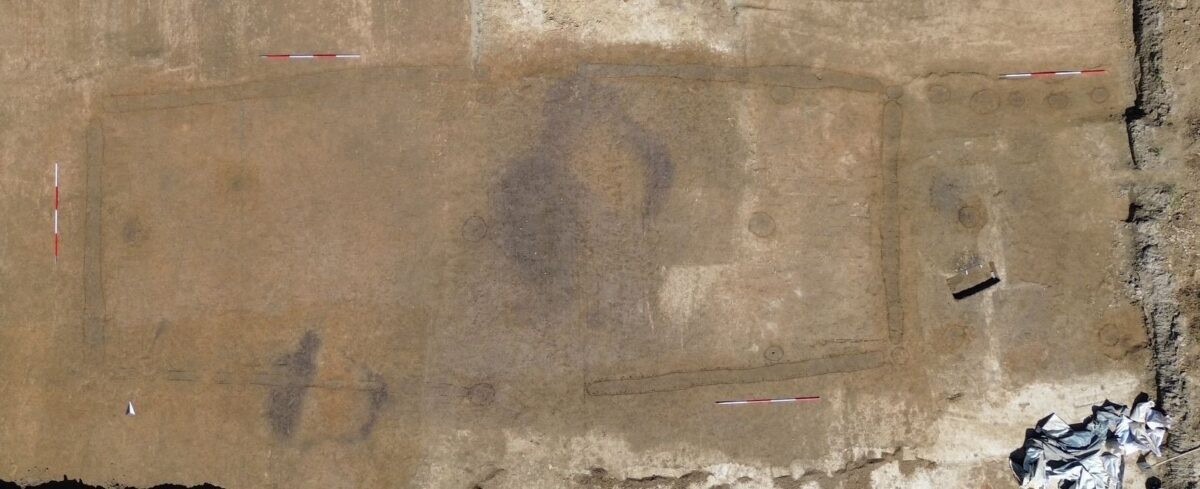
Excavations in Werl-Westönnen, Germany, have uncovered rare evidence of salt production dating back 2,500 years to the Middle Iron Age. Archaeologists discovered “briquetage” fragments—coarse ceramics used for boiling brine—and furnace remains at the site.
The discovery is significant as Iron Age salt-boiling sites are scarce in the Westphalia region. Traces of a later Germanic settlement were also found, linking prehistoric salt production to broader regional settlement patterns and providing a valuable historical reference for European salt history.