
SALT PROCESSING EQUIPMENT
Rotary Air Lock
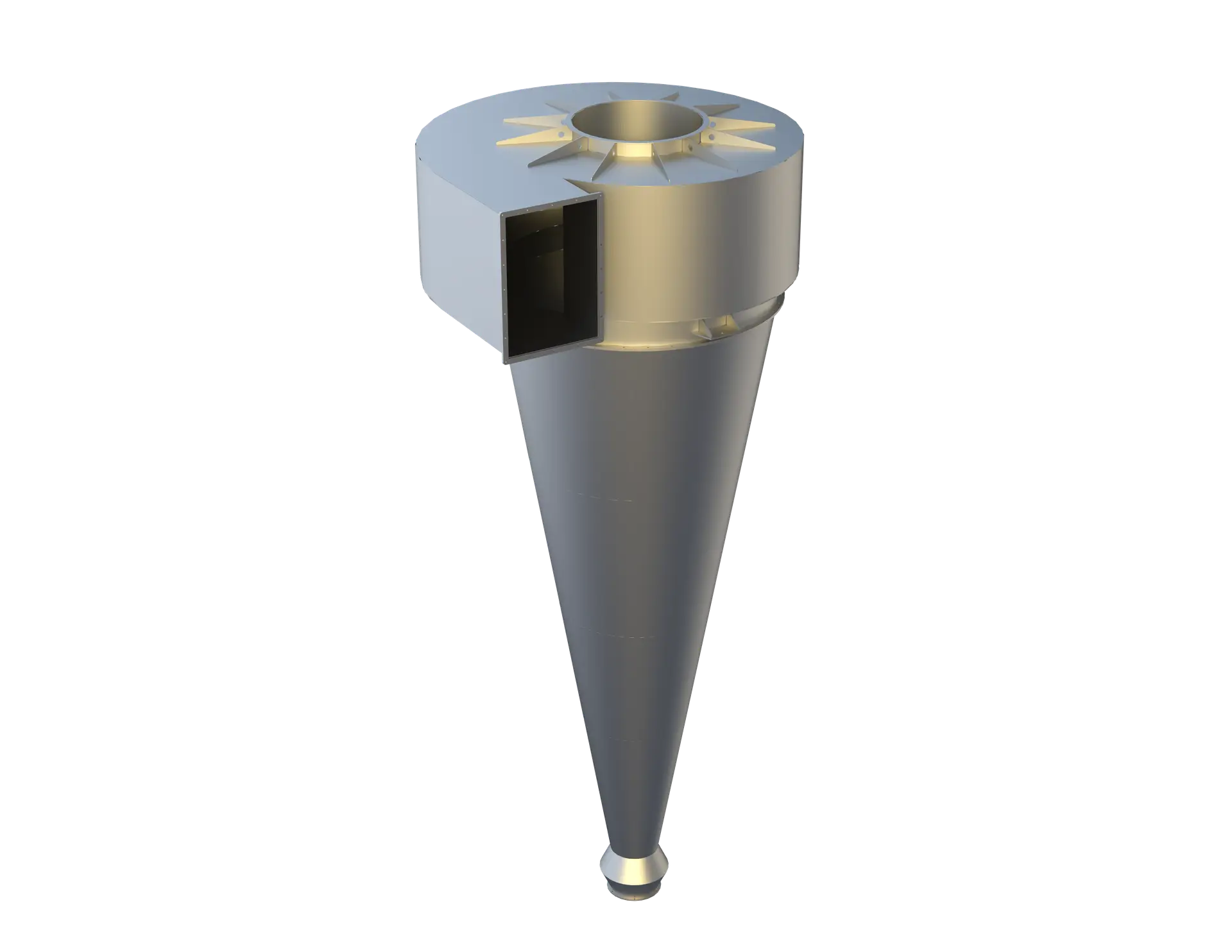
Discharges fine salt collected in the powder cyclone while maintaining the air-handling process.
Discuss this equipment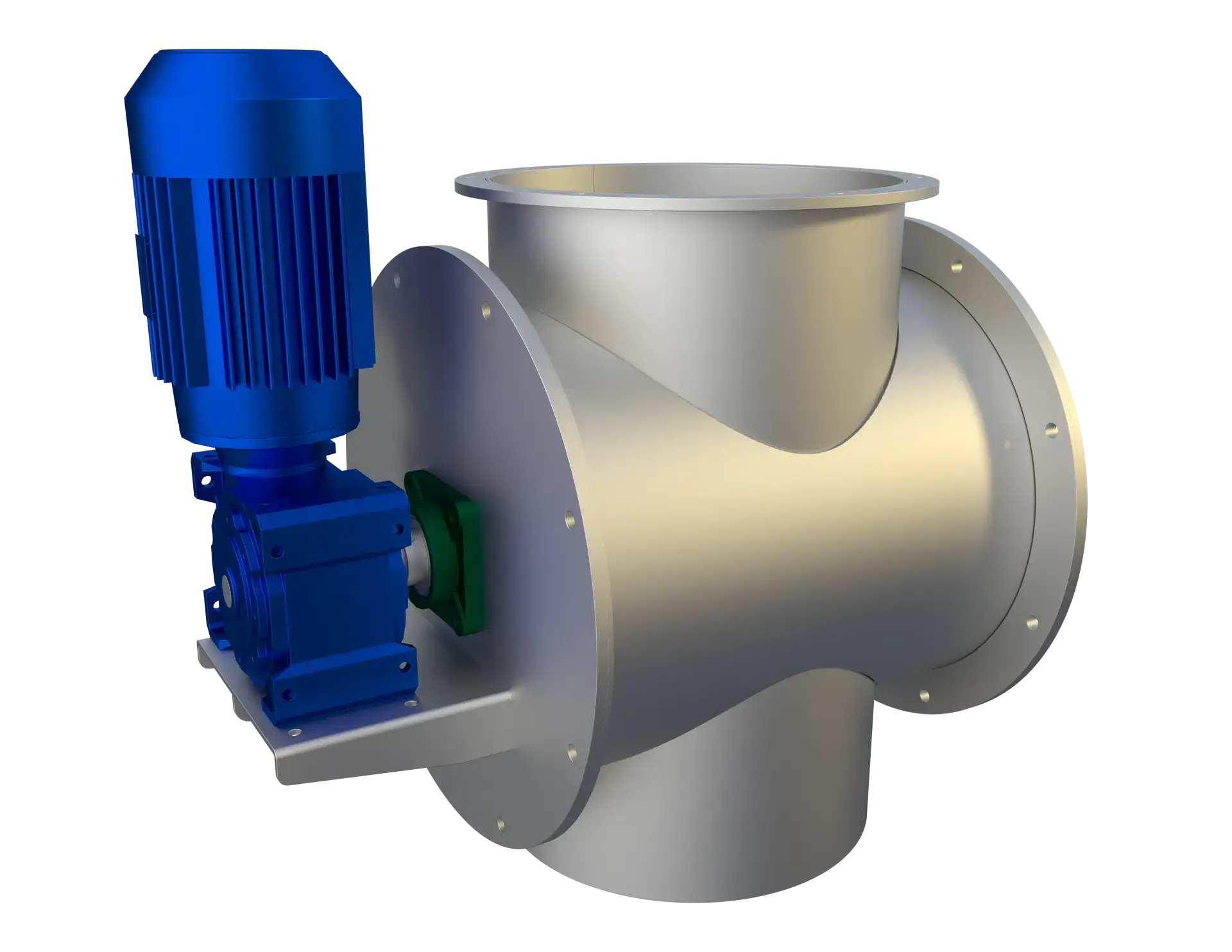
PROSALT · Salt Drying Plant
How it works
Discharges fine salt collected in the powder cyclone while maintaining the air-handling process. It helps prevent accumulation and reduces salt loss.
Its place in the process
The air lock transfers collected solids while limiting unwanted air exchange between connected parts of the recovery circuit. It is commonly considered at a cyclone discharge, where solids flow and pressure conditions need to remain coordinated.
Explore the complete plant ↗Engineering inputs
Specify the right configuration
Equipment selection starts with your material, the required product and the available site conditions. Share the operating range and layout with PROSALT so the interfaces, dimensions and final specification can be defined for your project.
Recovered salt flow and particle characteristics
Pressure difference and process temperature
Rotor clearances, sealing and maintenance access
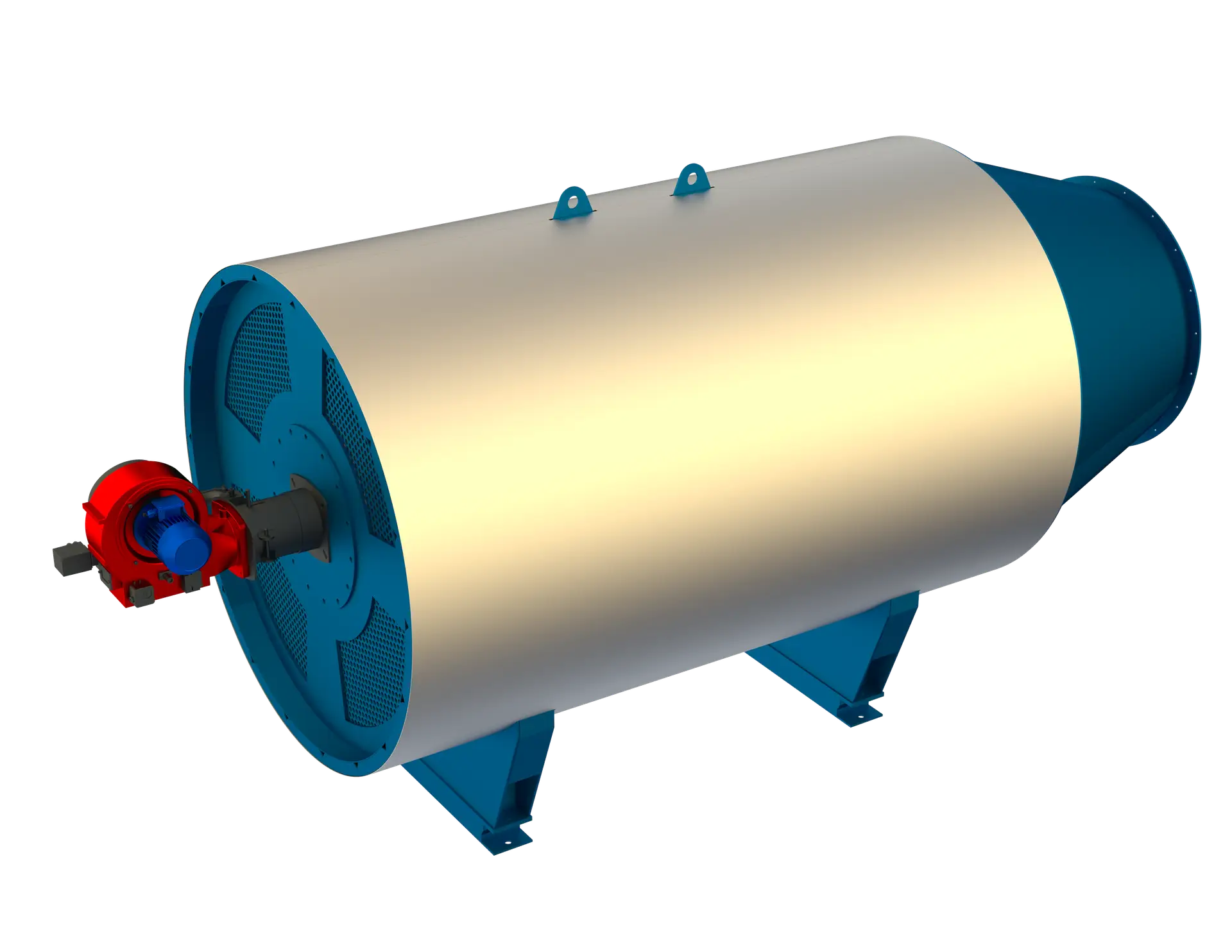
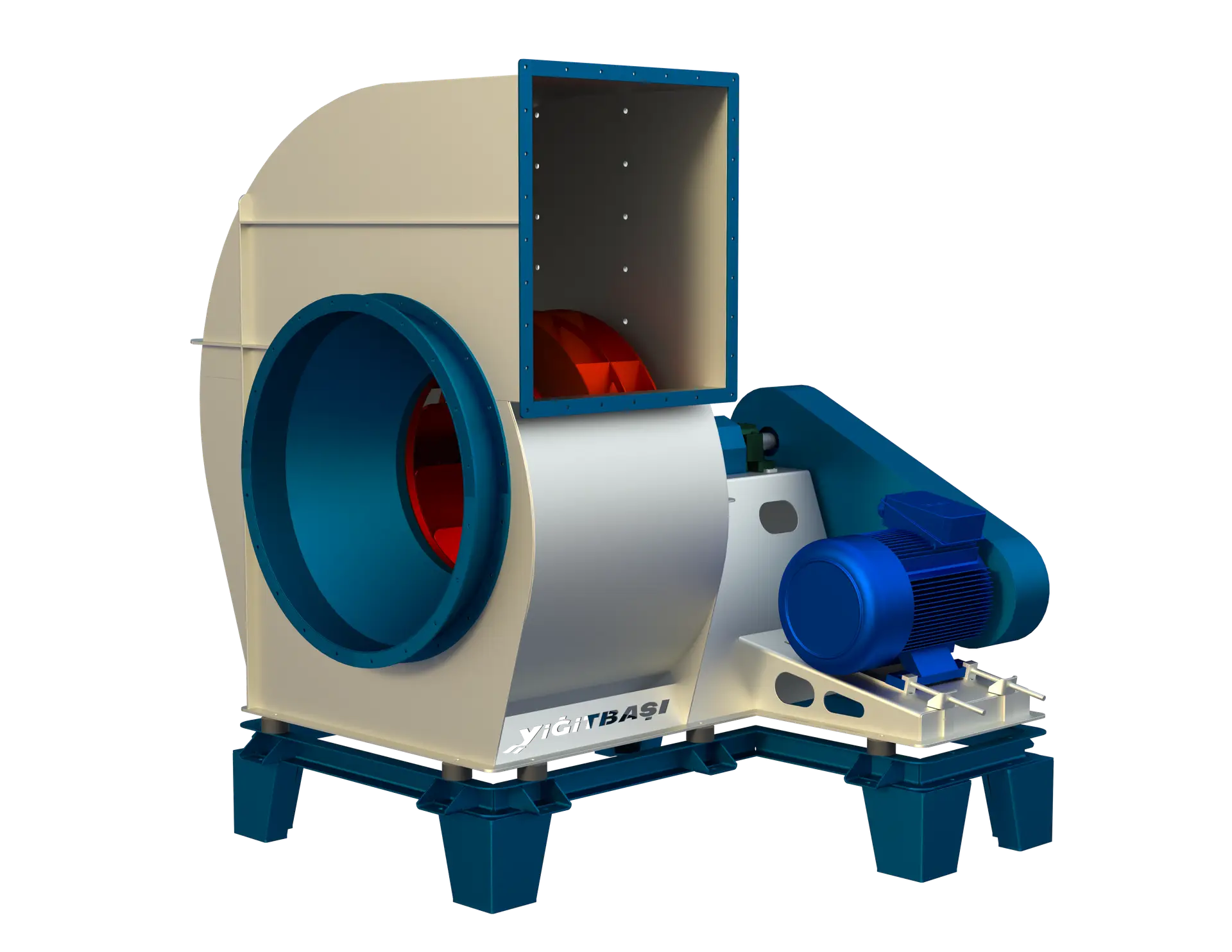
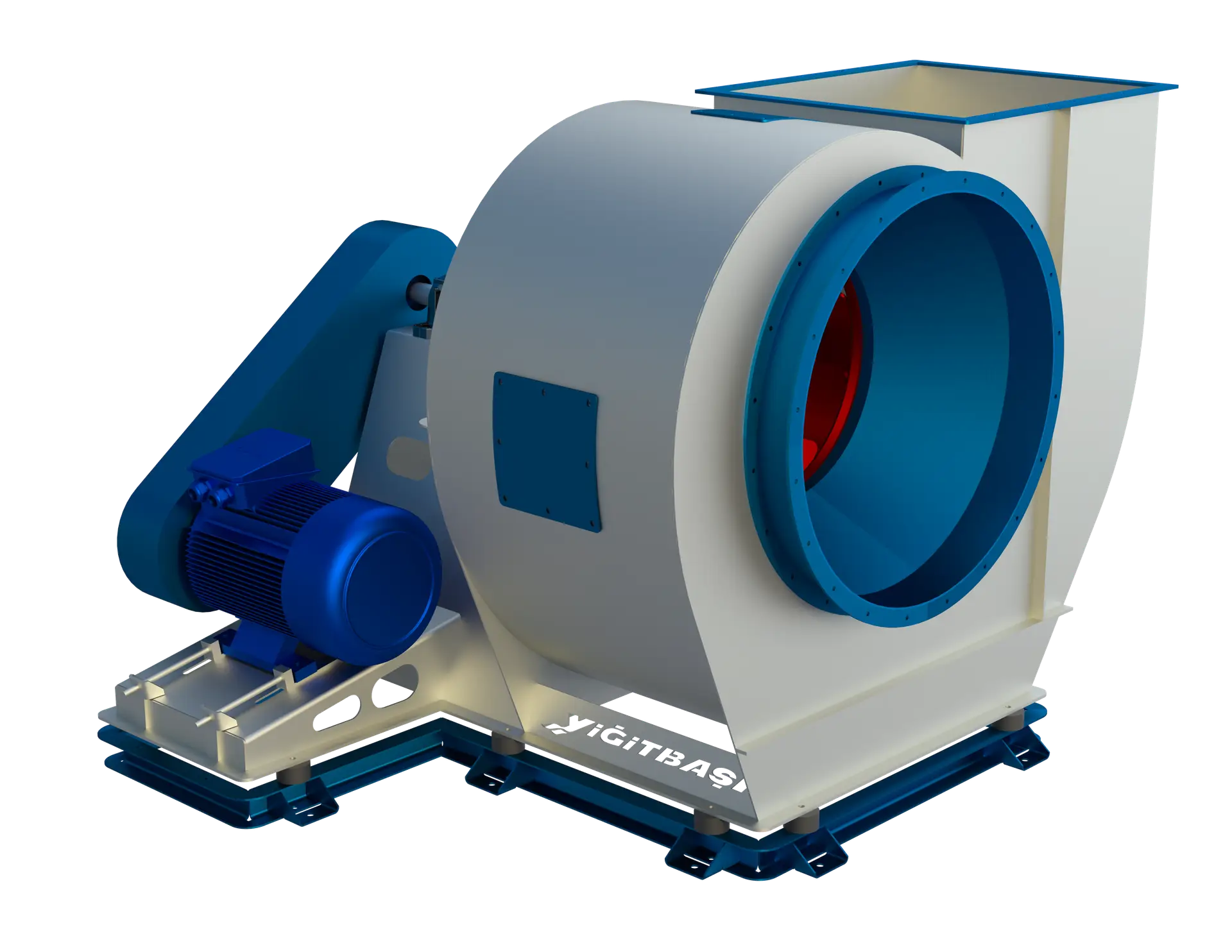
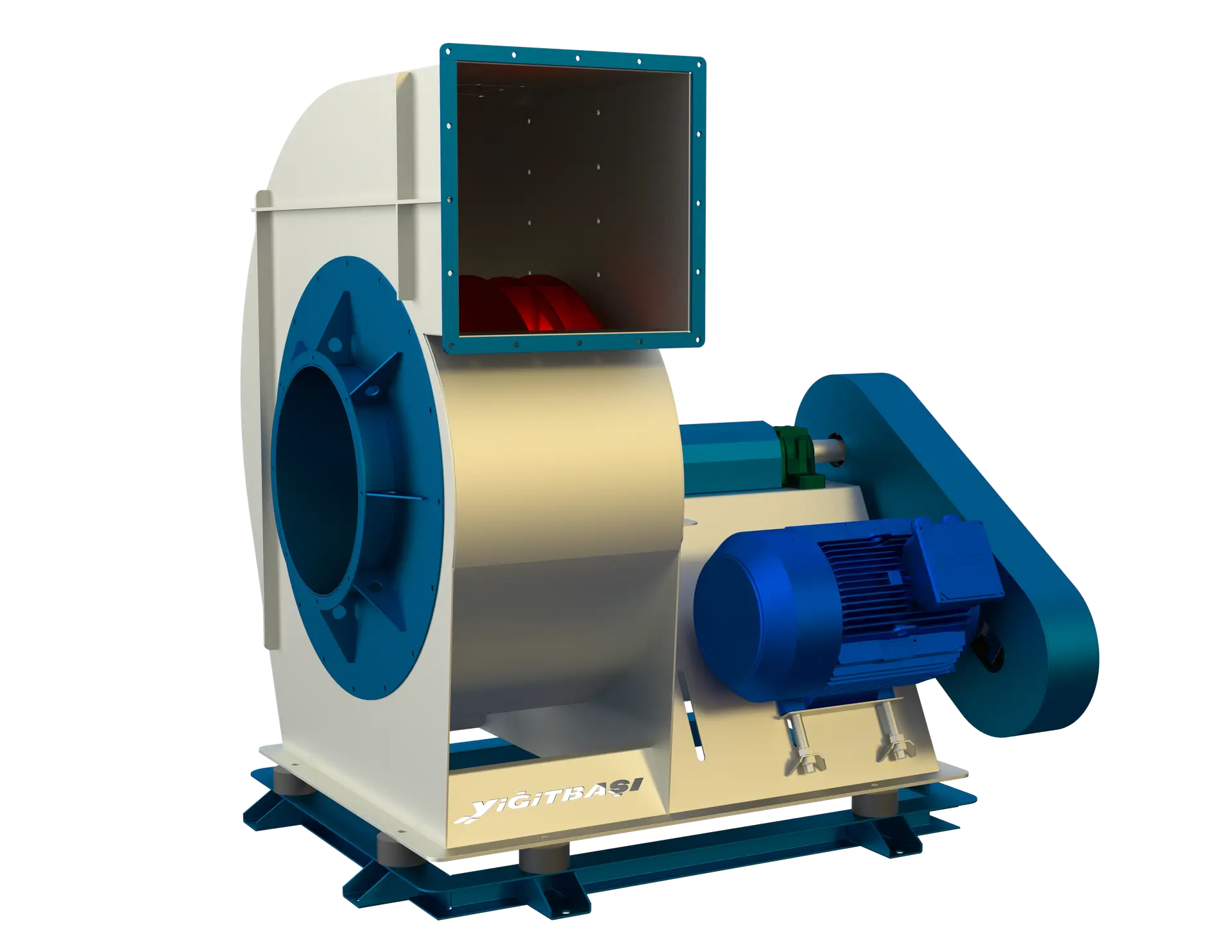
Final materials, dimensions, drive power and operating targets are defined in the project specification. Product images illustrate the equipment family.
Technical reference
Equipment for a 50 t/h plant
These dimensions and specifications refer to equipment used in a 50 t/h plant. Every PROSALT plant is custom engineered; dimensions, materials, motor power and quantities may vary with the project. Request the current catalogue for up-to-date technical specifications.
| Parameter | Reference specification |
|---|---|
| Reference plant capacity | 50 t/h |
| Overall dimensions | W660 × H750 mm |
| Inlet diameter | Ø310 mm |
| Outlet diameter | Ø310 mm |
| Outer body diameter | Ø370 mm |
| Drive motor power | 2.2 kW geared motor |
| Quantity in the reference plant | 2 pcs |
Equipment questions
Is an air lock simply another conveyor?
It transfers solids but also has a pressure-separation role. The required leakage behaviour, clearances and discharge conditions distinguish its selection from ordinary conveying equipment.
Can this equipment be integrated into an existing salt plant?
A retrofit is assessed from the existing process flow, material analysis, available dimensions and utility connections. The upstream and downstream equipment must be reviewed together before the scope is agreed.
YOUR NEXT CHAPTER
A better process starts with a conversation.
A new facility or a single piece of equipment. Tell us what you have in mind.
Talk to our team